
By Cameron Sheath
Arsenal Women slumped to yet another home draw at the weekend, continuing their unwanted 100% record of home WSL draws this season. Confidence was far from high after a midweek humbling at the hands of OL Lyonnes at Meadow Park in midweek, but such is the quality of this Arsenal side, another poor result still seemed less likely than a springboard-like win.
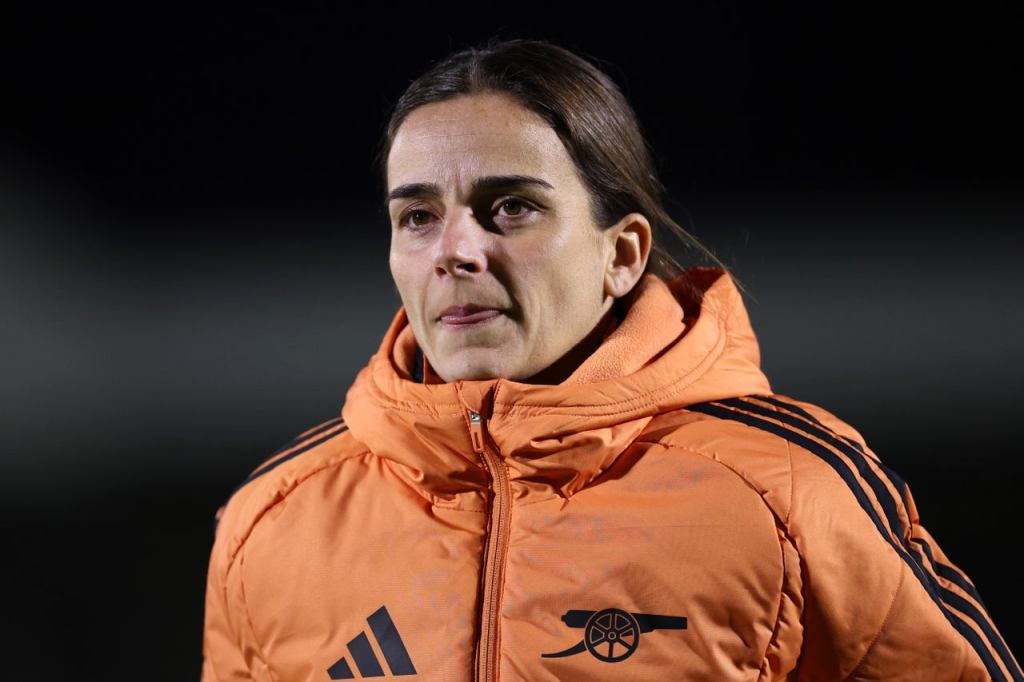
The latest stalemate leaves Arsenal sixth in the WSL, eight points behind London City Lionesses, who occupy the final Champions League spot. With Renee Slegers’ future looking more unstable than at any other time since she joined the club, I give the arguments for, and against, making a change in the dugout.
Reasons for Remaining Patient
Questions were being asked regarding Slegers’ ability to lead this team months ago, and many fans and commentators alike had run out of patience long before Sunday. I genuinely believe that most of that has been over the top and premature, and that the limited number if games in both the WSL and the Champions League act as a catalyst for anxiety and impatience among a fanbase.
There’s so little margin for error at the top of the women’s game that a few bad results can feel a death knell, and I understand the frustration of fellow Arsenal fans at what already feels like a wasted season. That being said, every team goes through bad runs of form and you can’t go around sacking managers the second things get difficult, especially one with Slegers’ potential.
This team lost three influential veterans in the summer and welcomed in a host of new players, some of whom don’t appear to be an obvious fit for what the head coach wants to do. When asked recently about her relationship with Geraldine Reuteler, Slegers admitted that she’d struggled to find the right role for the Swiss international.
How on Earth can a high-profile player like that end up at a club that, even months later, doesn’t know how she fits into its system? And why does a team that narrowly missed out on a title just months ago gut its squad of experience and bring in so many new players, four of whom jump straight into the starting lineup at Brighton in Week 1?
Despite this, Arsenal have continued to dominate the majority of their opponents in the WSL this season, with their wasteful finishing the difference between a promising campaign and the one we’re witnessing. In fact, if you could imagine what a good start to the season would have looked like, it would’ve been almost identical to the one Arsenal have had, except they’d have taken the chances presented to them in the final third.
A manager’s job isn’t to win football matches, it’s to set their team up for success. Turning that platform into wins is the job of the players. Regardless of how you feel about Slegers’ tactics or team selections, those tactics and team selections have put Arsenal in position to win the vast majority of their games this season, but her players have failed to capitalise.
At the time of writing, Arsenal have averaged the second-highest expected goals in the WSL (2.31), whilst also boasting the second-lowest expected goals against (0.99). Despite this, only two teams have scored fewer goals than Arsenal (11) across the league, with the Gunners the only team in the WSL to have a negative XG-goal ratio of more than a goal per game.
Arsenal’s women are a very likeable bunch, so it’s understandable that very little, if any, blame has been directed their way for the team’s struggles this season. But when taking those numbers into consideration, there’s a strong case that Slegers trails only Chelsea’s Sonia Bompastor when it comes to setting her team up for success, and that it’s her players who have fallen short.
Reasons for Moving On
I count myself among those who have disagreed with the decisions Slegers has made as times this season, and I think I’ve been critical, but fair. My real worry, though, is whether the young coach is capable of building the kind of winning culture that is required to become a serial winner at the very top level.
The Arsenal team that won the Champions League two seasons ago was a great team, but it still went into that final as plucky underdogs against a transcendent Barcelona side. That’s a very different dynamic than the one they now face in the WSL each week, and this team has shown neither the arrogance to blow teams out, nor the resilience to bounce back from disappointment.
I’ve often thought that everything feels too nice with this team and losing both Katie McCabe and Beth Mead in the summer certainly hasn’t helped in that regard. There is plenty of praise among the players when things are going well but, too often, mistakes are met with introverted facial expressions rather than assertive communication. The players appear to get along well, but they need to feel like they can hold each other accountable at all times.
It’s difficult not to draw comparisons between Slegers and Mikel Arteta, who was in a similar situation to Slegers not that long ago. There is a lot of love between the players in Arteta’s squad, too, but everyone is aware of the mission and the standards required to complete it, and there are no hard feelings or hesitation when harsher words are needed.
For me, that’s the biggest difference between the two sides at the moment. I mentioned after the Aston Villa draw that Slegers’ half-time instructions were having an impact, but that it was barely 15 minutes before that impact began to wain. That comes down to on-field leadership, what standards the players expect from each other, and how willing they are to speak up when those standards aren’t met.
Alternatively, you could argue that a head coach’s half-time inspiration should last longer than the flavour in a piece of bubble gum, and that would be a fair point. To me, though, the draw in Barcelona is evidence that those players are still putting it on the line for their manager, and that the dressing room remains united.
Kim Little is 36 years old and will likely depart the club at the end of this season, leaving Leah Williamson to take the armband full-time into next season and beyond, but where is the leadership beyond that? Lisa Baum, Olivia Smith, and Katie Reid are among the emerging generation at Arsenal Women, but who are the emerging leaders?
Alessia Russo is an obvious candidate, as are Georgia Stanway and Emily Fox, while Chloe Kelly and Mariona Caldentey have the required experience to take on leadership roles when back from injury. That’s an outstanding mix of blend of young talent and experienced, dedicated veteran players, but pressure creates diamonds, and this squad looks a bit comfortable at times.
Final Thoughts
Such is the potential that Slegers has shown early on in her Arsenal career that I don’t think this is a decision the club can afford to get wrong. Whether it’s the coach who’s responsible, Clare Wheatley, Jodie Taylor, or just simply the players, a proper investigation needs to take place before a final decision can be made.
Backing a manager can often be mistaken for suggesting that nothing is wrong, and I certainly don’t believe that. Something needs to change, but I believe that Slegers is better at her job than both Taylor and Wheatley, so I’m a little more reluctant to put the blame on her.
That being said, I have my concerns about the current head coach and her ability to build a culture of accountability, but I have no way of knowing what gets said in training and on matchdays. I also don’t know how the players interact with her and each other during training, so it’s impossible to know. I’m not convinced by those above her, and despite Slegers’ media-trained answers on the topic, there is a clear disconnect there that is hampering the team.
Either way, I know that Arsenal Women have a very talented young head coach who has earned the right to try to fix this situation before becoming a casualty of it. Everyone preaches patience with managers until it comes to their own, and if the season is mostly a write-off already, then what’s the rush?


Leave a Reply